More Than Cows: The Land Behind Every Steak
Post by Clemson student Riley Brennan

One of the biggest things I learned during this section of the course is that cattle production is much more than simply raising cows. Every management decision all the way from how much land is available for grazing to when cattle enter a feedlot affects the economic success of a ranch and the sustainability of the land. Visiting ranches in Montana gave me a completely different perspective on how cattle production varies across the country. Comparing what I saw in Montana to what I have experienced in South Carolina made me realize just how much climate, forage production, and land availability influence ranch management.
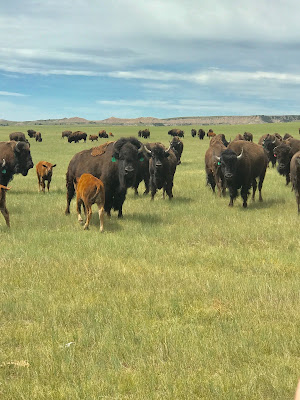
One of the most surprising differences was stocking rate. In Montana, many ranchers explained that they may need 30 to 40 acres to support a single cow because of the lower rainfall and shorter growing season. Native rangelands produce less forage each year, so cattle must be spread over much larger areas to prevent overgrazing. In South Carolina, conditions are almost the opposite. With higher rainfall, warmer temperatures, and a much longer growing season, improved pastures can often support about one cow on 2 to 3 acres. Although both systems produce beef, they require very different management strategies because the land has different capabilities.
These differences have a direct impact on the economics of cattle production. Ranches in the West require significantly more land to maintain the same number of cattle, which increases costs associated with fencing, water development, and land ownership or leasing. At the same time, western ranchers often rely on extensive grazing systems that take advantage of large native rangelands. In the Southeast, producers can stock more cattle on fewer acres, but they often invest more in pasture improvements, fertilizer, rotational grazing, and weed management. Neither system is necessarily better; they simply reflect different environments and different ways of achieving sustainable production.
Forage quality is one of the most important factors affecting cattle performance. Cattle need grasses that provide adequate energy, protein, minerals, and digestible fiber to maintain body condition, reproduce successfully, and gain weight. Young, actively growing grasses are much higher in nutritional value than mature plants. As grasses become older, fiber content increases while protein and digestibility decline. This is why good grazing management is so important. By managing grazing pressure and allowing plants to regrow, ranchers can provide cattle with higher-quality forage while maintaining healthy pastures for future years.
Eventually, many cattle leave the pasture and enter a feedlot, where they are fed high-energy diets designed to efficiently increase weight before harvest. Before this course, I viewed feedlots as completely separate from ranching, but I now understand that they are another step in the beef production system. Ranches specialize in producing healthy calves and utilizing forage resources, while feedlots efficiently finish cattle using carefully balanced rations. Both sectors depend on one another, and both play important roles in meeting consumer demand for beef while keeping production economically viable.

Another lesson that stood out to me involved what happens when forage becomes limited. During periods of drought or when grass supplies run low, cattle may begin eating plants they would normally avoid. One example discussed during the course was ponderosa pine needles. Pregnant cows that consume enough ponderosa pine needles can experience abortions, creating serious economic losses for ranchers. This demonstrated how closely animal health is connected to forage availability. Maintaining adequate forage is not only important for nutrition but also for preventing cattle from consuming plants that may be harmful.
Thinking about agricultural and natural resource sustainability, I realized that successful cattle production depends on balancing economics with responsible land management. Ranchers cannot simply maximize the number of cattle on a property without considering the long-term health of the range. Overstocking leads to overgrazing, reduced forage production, soil degradation, and lower profits over time. Sustainable grazing means matching the number of cattle to what the land can support while maintaining healthy plant communities for future generations. Out west most ranchers do this by just eye balling the land and learning as they go.
I learned in this section that every acre of grass, every grazing decision, and every nutritional choice affects the health of the cattle, the productivity of the land, and the profitability of the operation. Whether it is a ranch in Montana requiring 40 acres per cow or a pasture in South Carolina supporting one cow on only a few acres, the goal remains the same: producing healthy cattle while sustaining the natural resources that make livestock production possible.