The future of sustainability in Montana
Post by Clemson student Katie Ostergaard

The future of sustainability in Montana depends on the choices that are being made today. Montana has had a long tradition of ranching on wide-open grasslands. Sustainability means a lot of different things to a lot of different people. For one rancher, it could mean replacing their fences with wildlife friendly fencing, for another it could be using virtual fencing to replace the need for physical fences altogether, or for a third, it might mean not shooting prairie dogs. In Montana, sustainability is increasingly important because the agriculture industry and wildlife share a dependence on healthy land for generations to come. Although sustainability means different things to different people, Montana’s future depends on young ranchers finding ways to combine ranching traditions with modern conservation practices.
Supporting sustainability in Montana means encouraging young people to get involved. This can happen through education, internships, conservation projects, and community involvement. Schools can teach students about agriculture and land stewardship, while local ranches can provide opportunities for hands-on learning. Younger generations can also support sustainability by being informed about where their food comes from and how land is managed. Organizations like the Rancher Stewardship Alliance, the Nature Conservancy, and American Prairie are helping build a sustainable future.
The Rancher Stewardship Alliance is an example of sustainability in Montana. This alliance was created by ranchers who understand that protecting the land is necessary for their way of life to survive into the future. They focus on improving grazing systems and conserving grasslands while protecting wildlife and keeping ranching economical. Their work has shown that ranchers do not need to lose their traditions to be sustainable, but they need to adapt. For younger ranchers, this is an important lesson on balancing tradition with innovation.

The Nature Conservancy also plays a major role in Montana’s sustainability efforts. They partner with ranchers on land conservation and water restoration projects. Their projects protect important ecosystems while supporting agriculture. Their approach shows that conservation and ranching do not have to be opposites. Instead, they can work together to create stronger and healthier landscapes. For future generations, this partnership model is important because it teaches cooperation and long-term thinking.
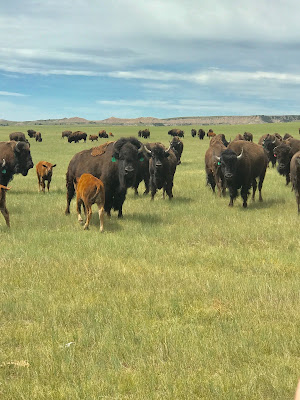
Another interesting player in Montana’s sustainability is American Prairie. While they are a controversial topic, they work to restore native grasslands and bring back species such as the American bison. American Prairie is focused on long-term environment health. Healthy ecosystems will be critical for Montana’s future to support biodiversity and strengthen the land against climate change and drought. For young ranchers, hating a project like this can spark a conversation about other, less extreme examples of sustainability. For the younger generation, American Prairie can represent a new wave of thinking about the entire ecosystem and the coexistence of humans and wildlife.
However, education is one of the biggest pieces of sustainability in Montana. Programs like the Quivira Coalition Ranching Apprenticeship can teach young people how to manage livestock, care for the land, and build sustainable ranching practices. This matters because they are the future of the industry. As the average age of ranchers increases, new generations will have to step in and implement sustainable ranching. By giving young aspiring ranchers hands-on experience, these programs prepare them to face many challenges while continuing the traditions that helped shape Montana.
The future of sustainability in Montana will depend on the next generation. Ranchers, conservationists, and educators are already laying out the groundwork, but younger generations will be the ones to carry it forward. By combining tradition, education, and innovation, Montana can protect its land and build a sustainable future for generations to come.